Freight elevators are expensive, take floor area, and most buildings under 20 storeys were built without one. Everything that would have gone in a freight car goes in the passenger car instead. That is fine, as long as the building treats the passenger car like a freight car when it needs to be one.
Designate a service car
If the building has two or more cars, pick one as the service car for all booked moves, deliveries and contractor use. Keep the others clean for residents or tenants. If there is one car, booking windows do the same job.
Schedule everything
Booked windows for moves and contractor deliveries, posted in the lobby and enforced at the dock. One booking per car at a time. Unbooked moves get stopped. The policy template covers the wording.
Protect it properly
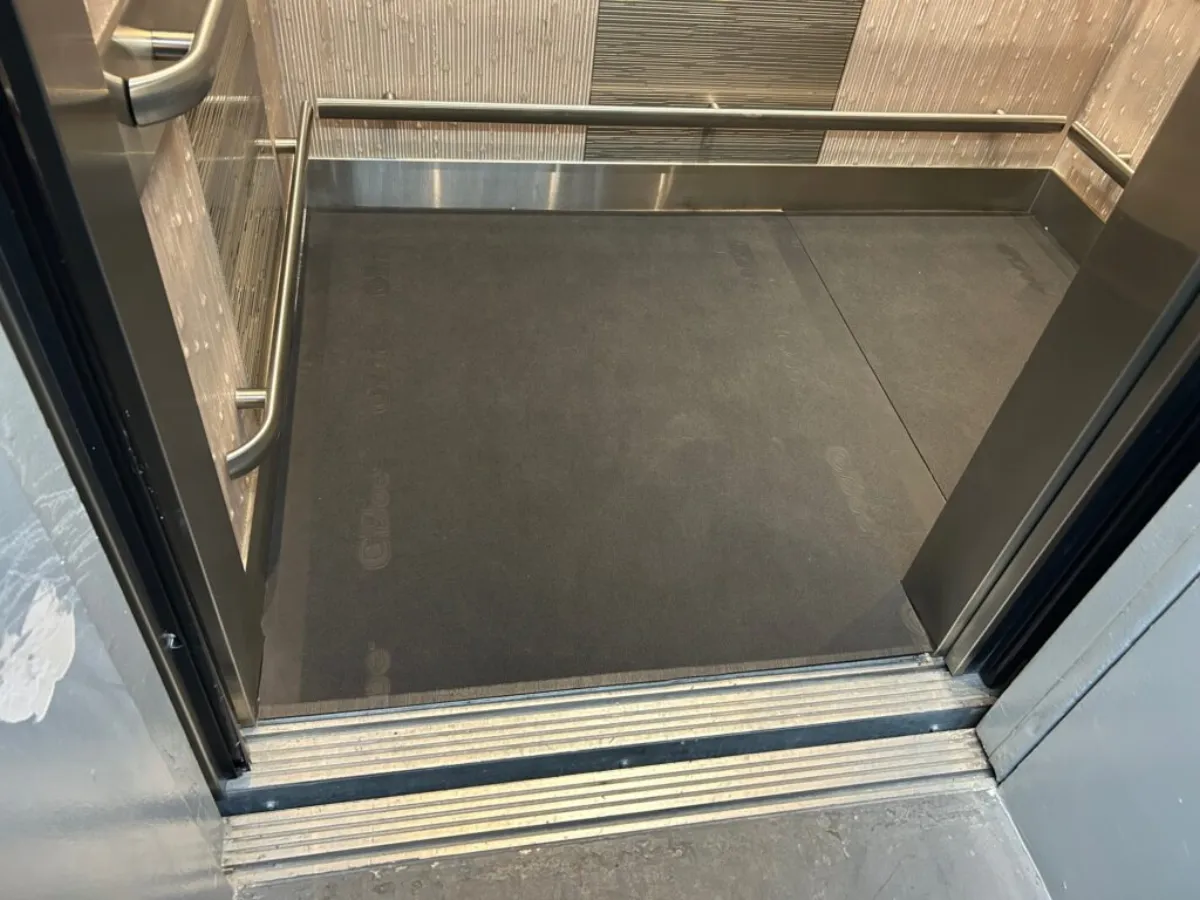
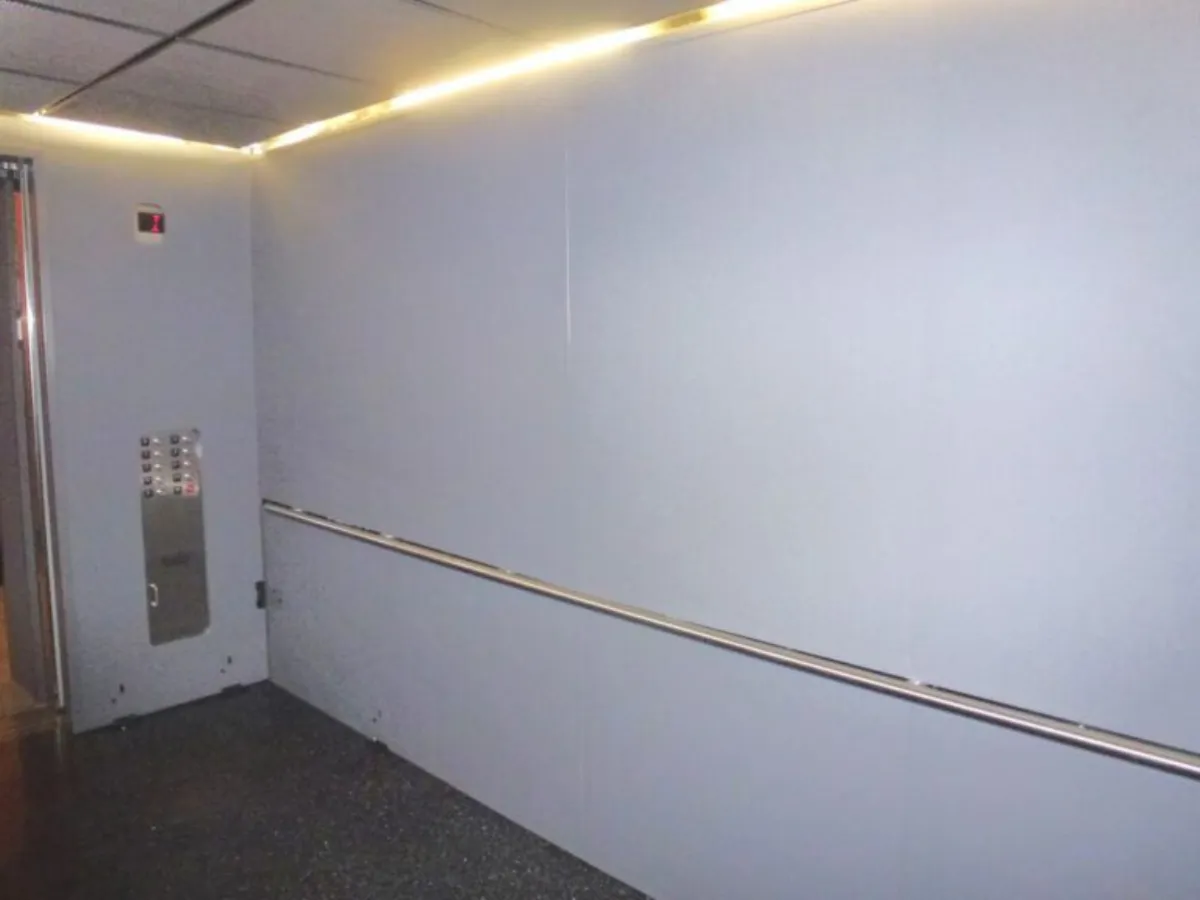
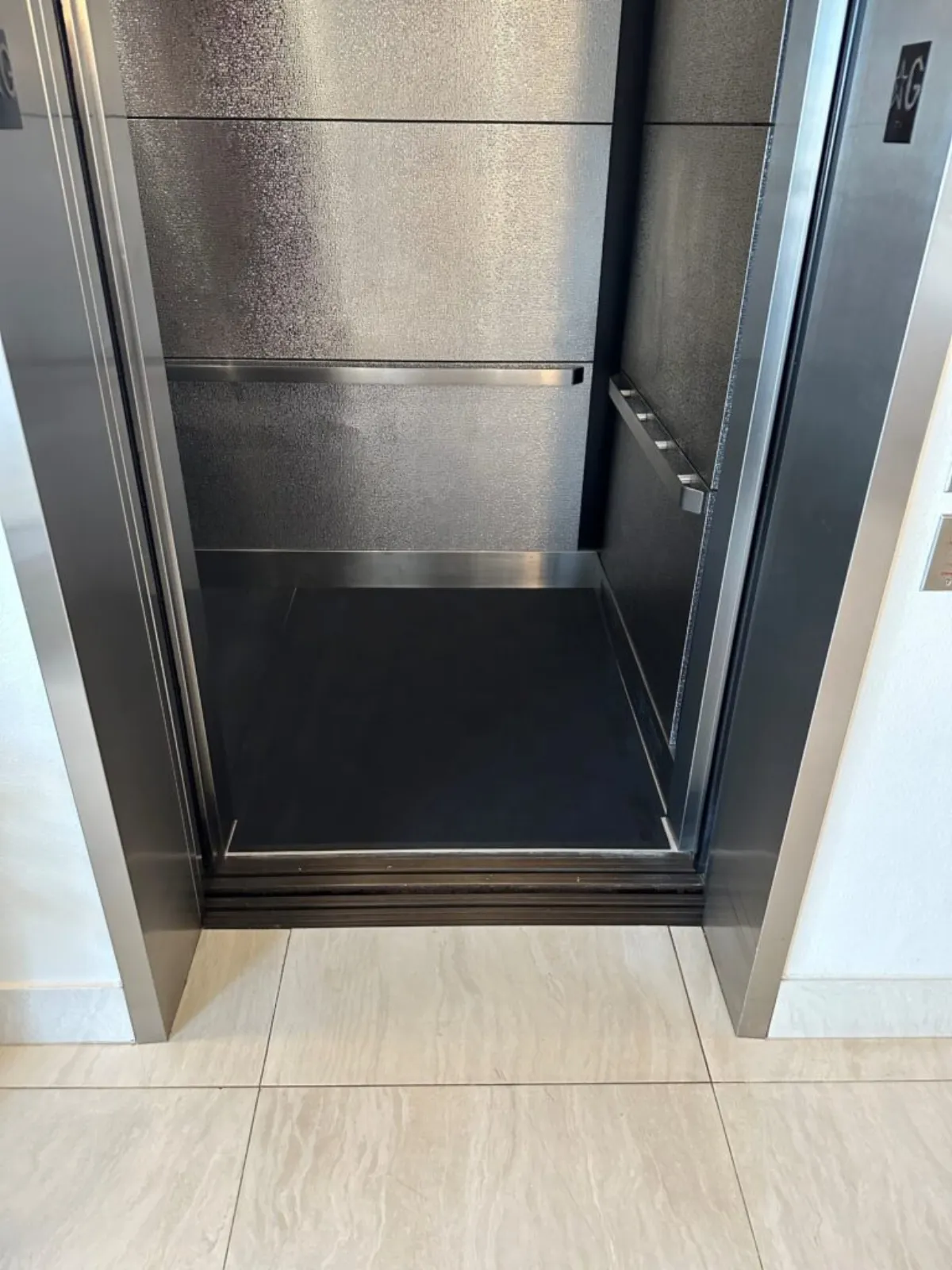
A passenger car has finishes a freight car does not. Converting it for freight is a matter of covering those finishes completely and quickly; our sister site explains what a temporary freight conversion really involves. In practice:
- A fitted cab liner for walls and corners, in five minutes, no tools.
- A rigid floor liner because a loaded dolly concentrates hundreds of pounds on two small wheels.
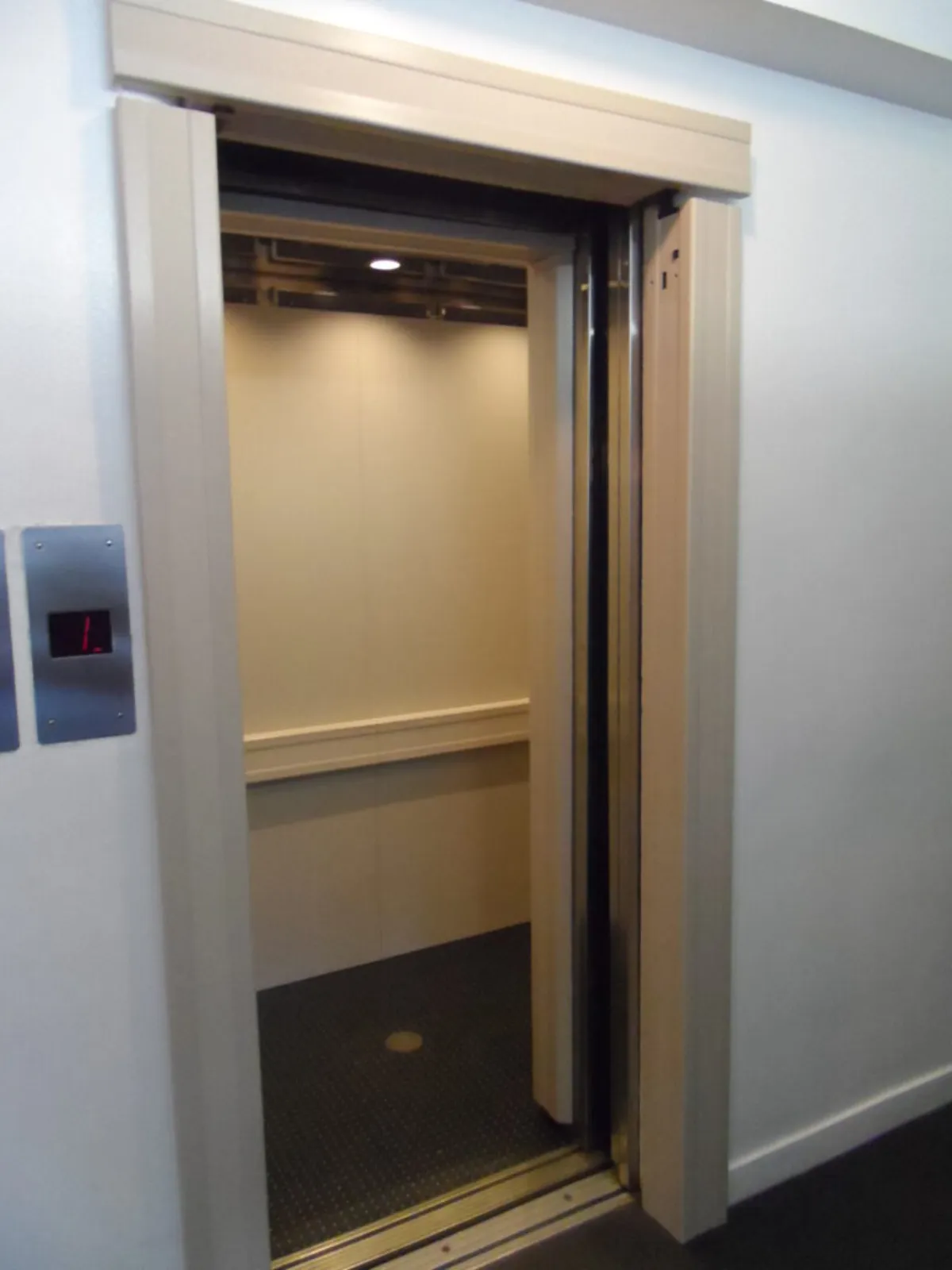
- A door liner for jambs and header at the landings in use.
- A ceiling liner when anything long or on end rides the car.
Respect the load
The passenger car’s rated load is posted in the cab. Pallets and stacked appliances can exceed it. Protection does not change the rating; the elevator contractor can advise on what a specific car handles.
Keep the car in service
A properly lined car still runs. Buttons, indicators, cameras and the emergency phone stay exposed. Residents can ride a lined car; they just see a protected interior instead of a scuffed one.
For long projects
A tenant build-out can keep a passenger car in freight mode for months. The liner is semi-permanent; it stays locked between work days and comes out at turnover. See spec language for construction and the construction page.
Cost
One kit per cab size, reused for every move and project, priced within 24 hours by Door Guard. It costs a fraction of one cab refurbishment and a tiny fraction of a freight elevator.