The buildings that stop losing elevator cabs to moves all have the same thing: a written policy that makes protection automatic. Not a request, not a reminder, a rule. Here is a policy you can adopt this week, and the reasoning behind each clause.
Why a policy, not a reminder
A reminder depends on the mover. A policy depends on the building. When protection is building-owned, installed by staff, and written into the move-in form, there is no judgment call and no argument afterwards. See how disputes with movers actually get resolved.
The template
Copy this into your resident handbook, tenant rules or vendor requirements and edit the bracketed parts.
Elevator Use for Moves, Deliveries and Contractor Work
Booking. All moves, large deliveries and contractor work using the elevators must be booked with [management office] at least [48 hours] in advance. Bookings are for [the designated service car] during [8am to 5pm, Monday to Saturday].
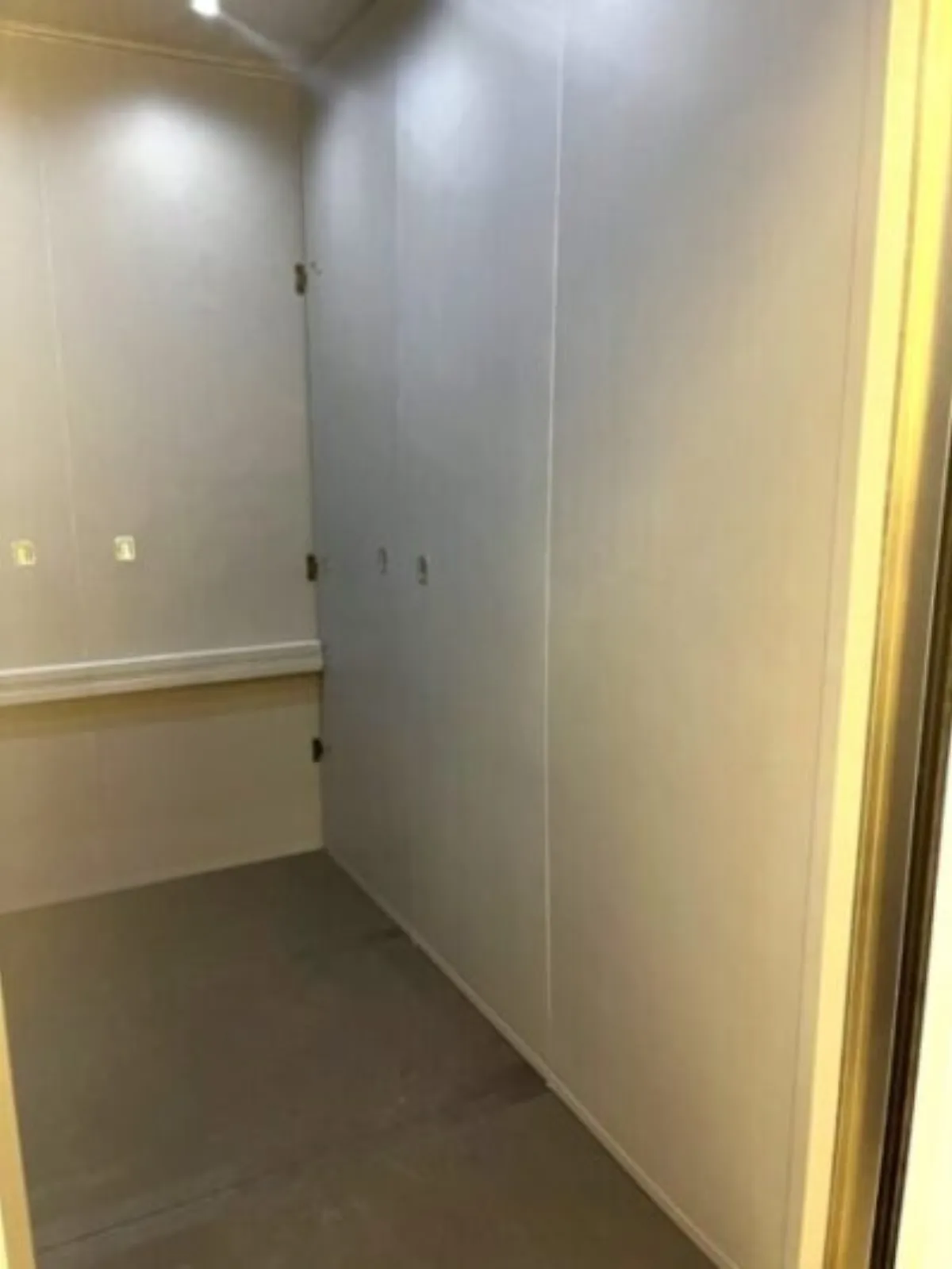
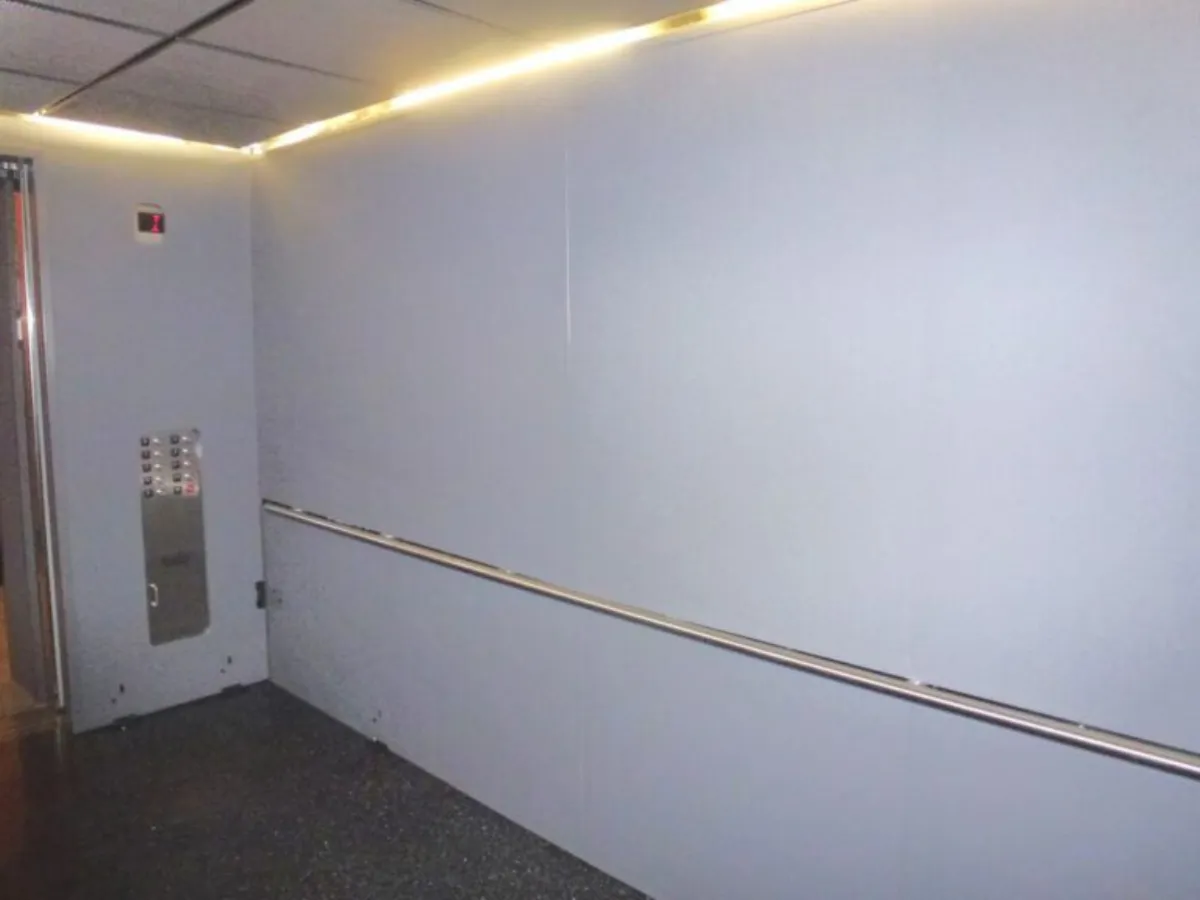
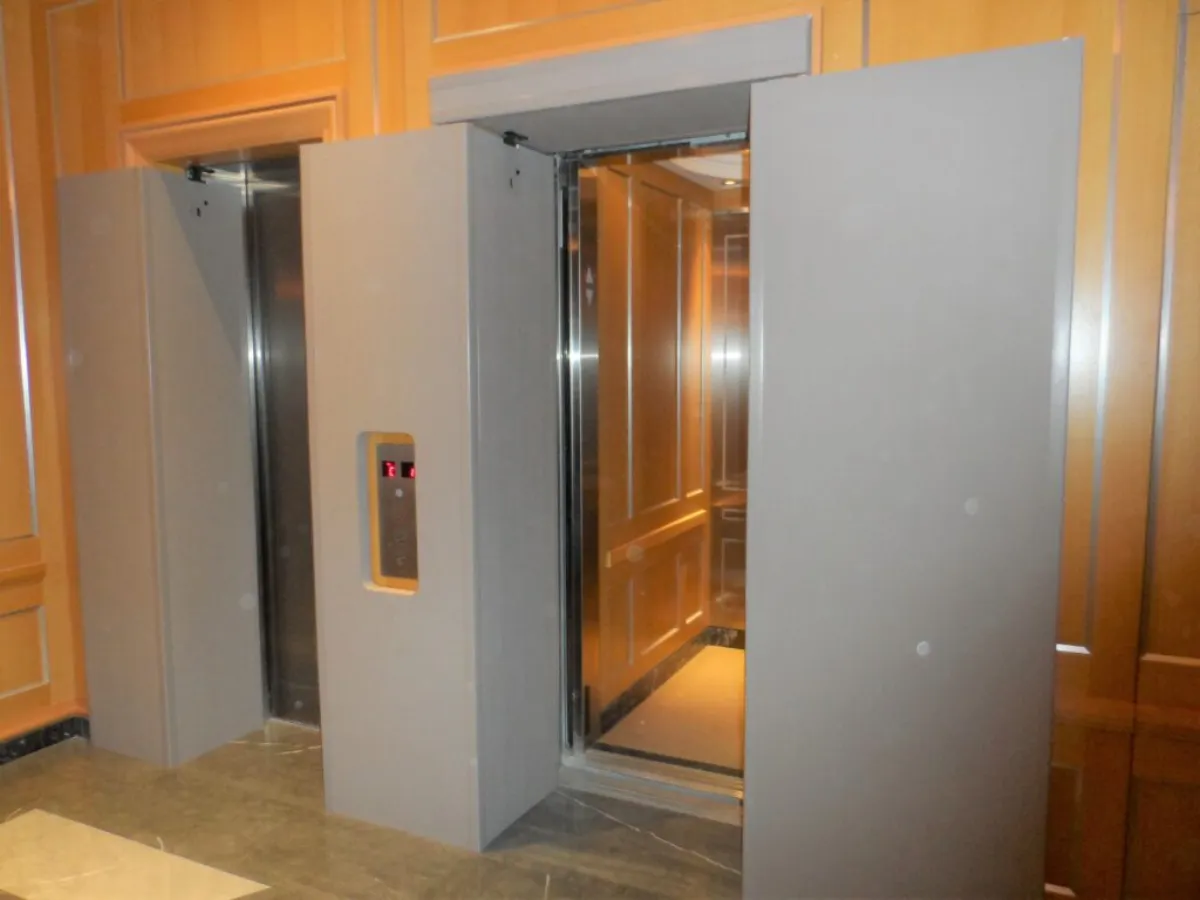
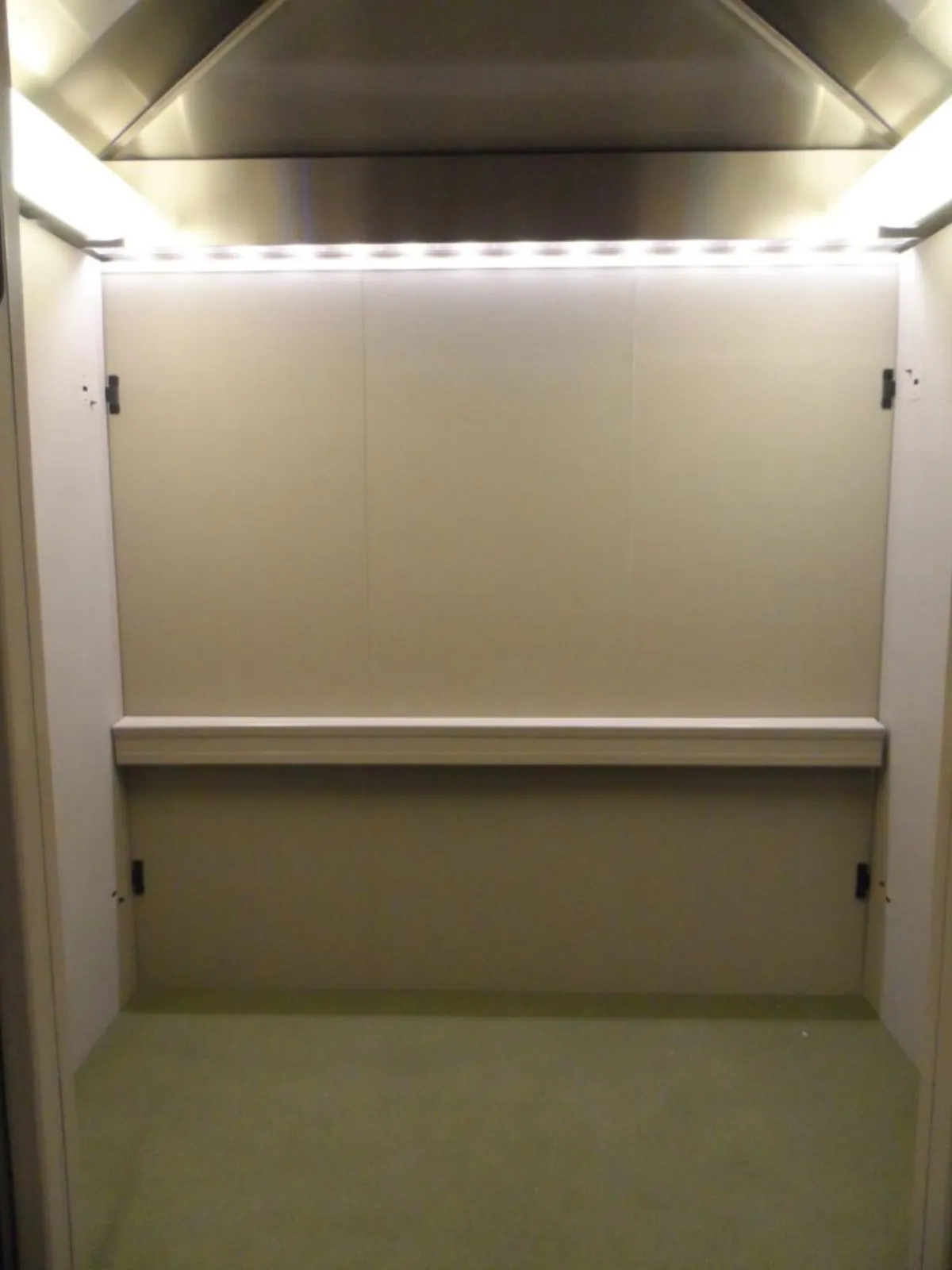
Protection. The building installs elevator cab protection before every booked move, delivery or contractor use. Protection covers the cab walls, entrance and floor [and ceiling]. Residents, movers and contractors may not remove, move or alter the protection.
Scope of protection. The building’s protection covers the elevator interior. Lobby and corridor walls on the route are [protected by the building / the responsibility of the mover].
Inspection. Staff inspect the cab before protection is installed and after it is removed. The condition is recorded [with photos] on the booking form.
Damage. Damage to unprotected surfaces, or caused by removing or altering the protection, is charged to [the resident / the tenant / the contractor] at cost. A [refundable move deposit of $X] is held for this purpose.
Unbooked use. Moves or deliveries without a booking will be stopped and rescheduled. Damage during unbooked use is charged in full.
Contractors. Contractors working more than [one day] must use the elevator protection for the full duration of the project. Protection may remain installed between work days.
Notes on each clause
- Booking gives staff time to install protection and keeps two moves from colliding at the dock.
- Protection is the heart of it. It only works if the building owns a fitted kit per cab size. Hanging pads that cover 60% of the cab make the policy promise more than it delivers; a fitted liner covers the walls, corners and entrance.
- Scope should be explicit. If the route from the dock turns a corner, that corner needs a wall guard or it needs to be the mover’s responsibility in writing.
- Inspection makes the damage clause enforceable. Two photos per wall, before and after, on the booking form.
- Contractors are covered on our construction page and in the spec language guide.
What the building needs to own
One kit per cab size: cab liner, door liner, floor liner, stored flat near the service entrance. Our sister site explains how to measure the cabs in ten minutes each. Pricing for the set is a free quote from Door Guard, the manufacturer.