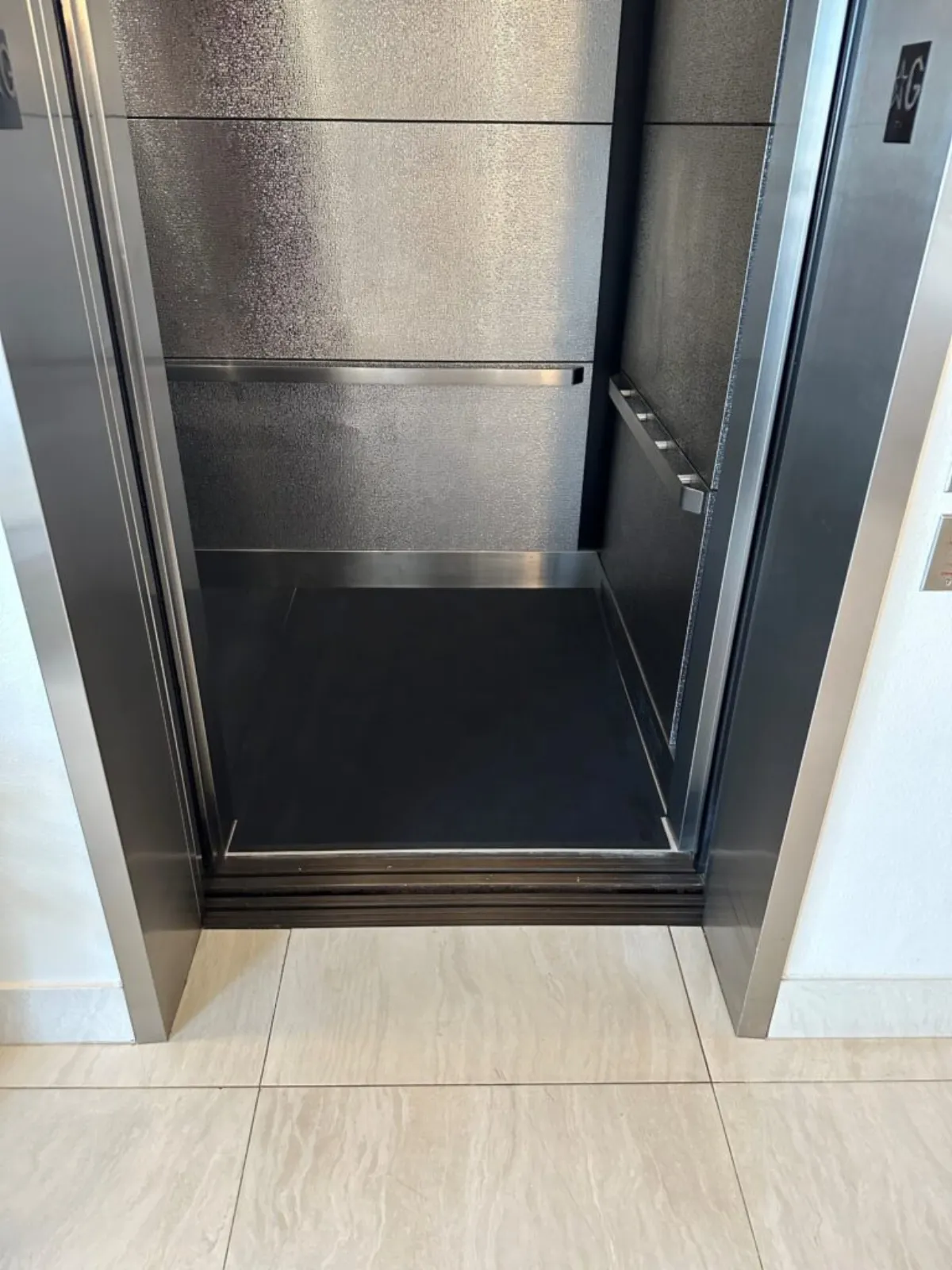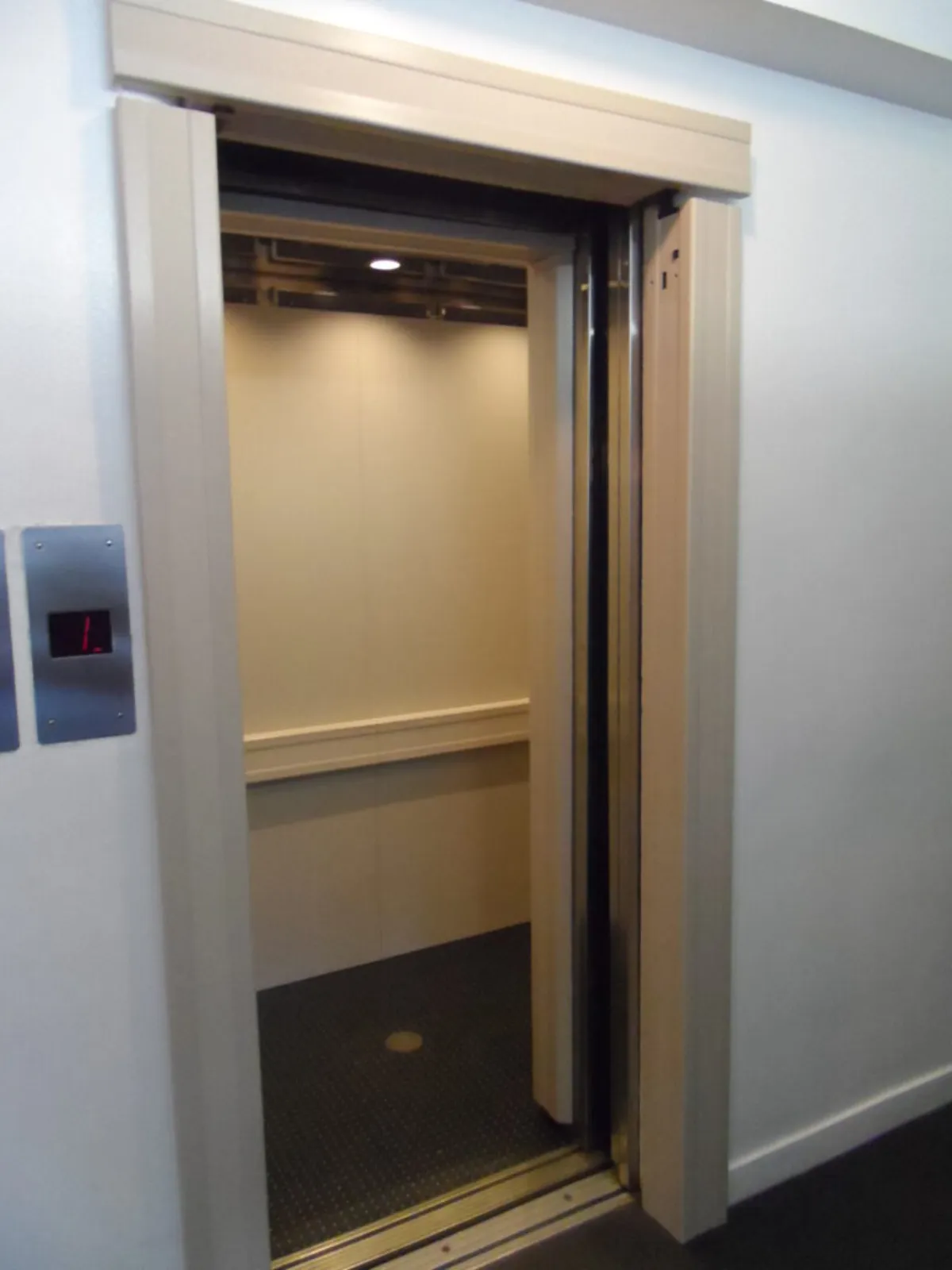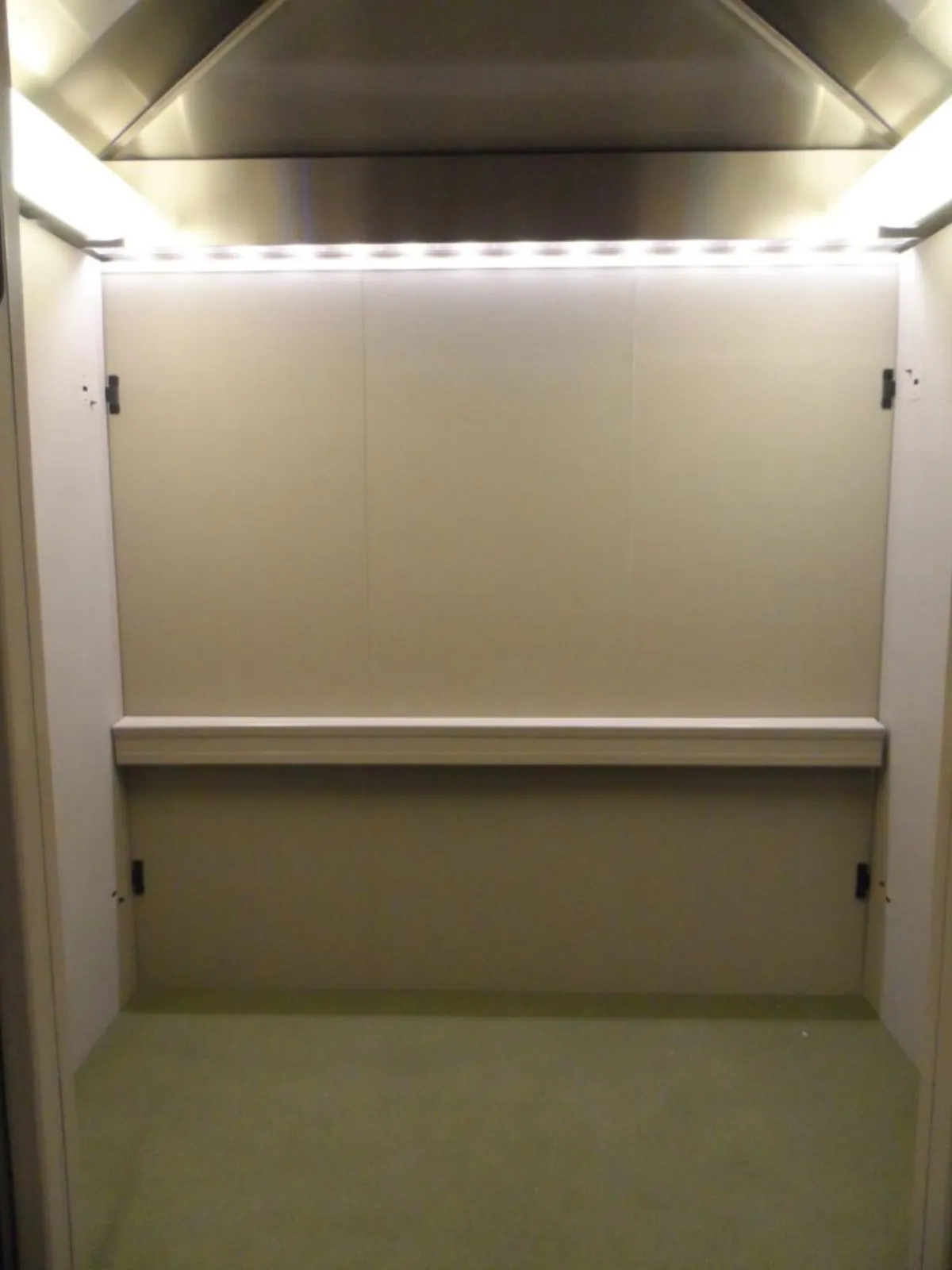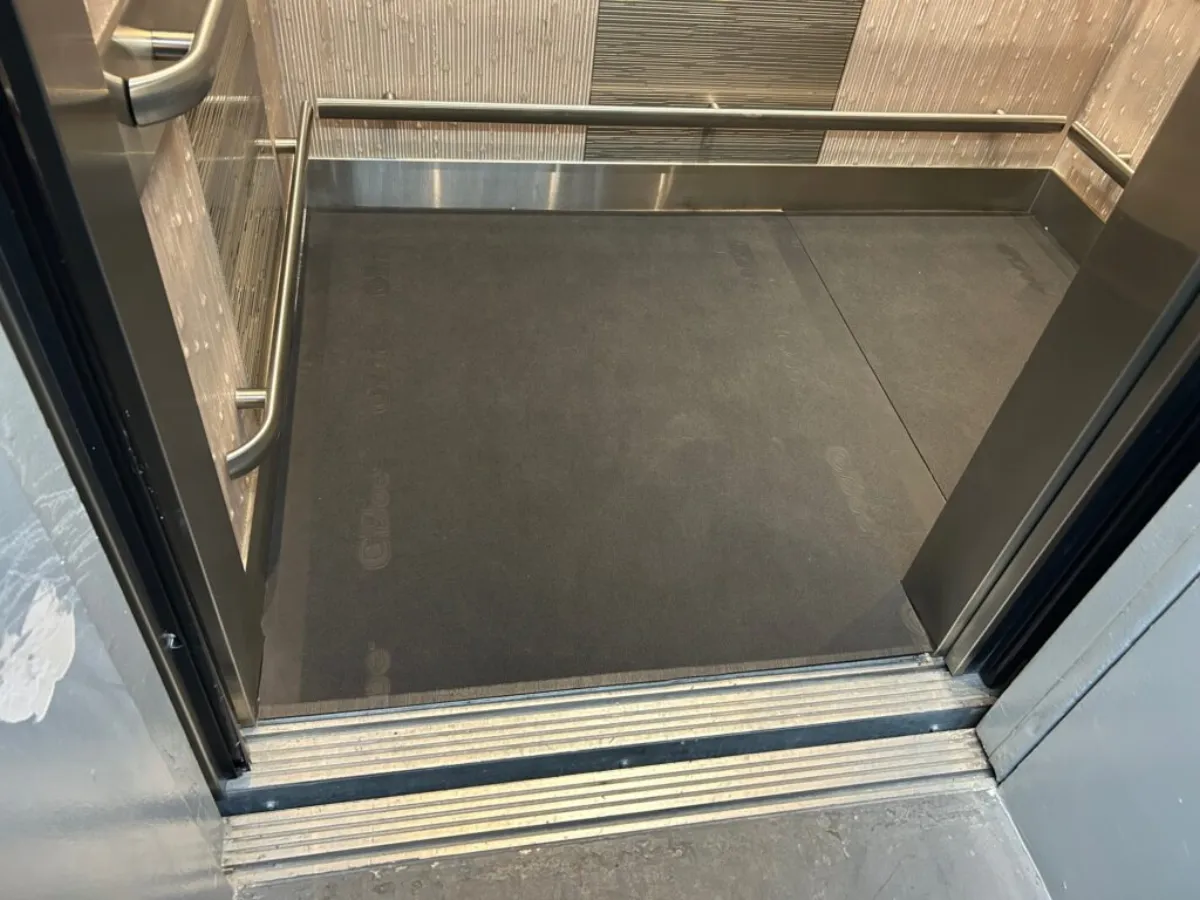
“Contractor shall protect the elevator” is the clause that gets argued about at closeout. It does not say what protection, how much of the cab, or who checks. Here is language that does, for Division 01 temporary facilities or the owner’s tenant improvement rules.
Specification clauses
Temporary Elevator Cab Protection
A. Before any material, tool or equipment is transported in a passenger elevator, the Contractor shall install temporary protection covering the full interior of the cab: all walls from floor to ceiling, including corners and jamb returns; the cab floor; the ceiling where materials longer than [7 feet] or carried on end will be transported; and the entrance jambs and header at each landing used.
B. Protection shall be rigid, manufactured, and custom-fit to the cab dimensions. Loose pads, blankets, curtains, cardboard and tape are not acceptable as primary protection.
C. Protection shall be installed without fasteners, adhesives or penetrations in the cab finishes, and shall leave the car operating panel, position indicator, emergency communication, camera and inspection certificate visible and accessible.
D. Protection shall remain in place for the duration of elevator use by the Contractor, including between work days, and shall be removed only after the final delivery and the Owner’s inspection.
E. The Contractor shall document the cab condition with photographs before installation and after removal. Damage to the cab interior, entrances or sills during the Contractor’s use shall be repaired to match existing at the Contractor’s expense.
F. The Owner [has / does not have] a fitted protection system available for the Contractor’s use. Where provided, the Contractor shall install, maintain and store it per the manufacturer’s instructions.
Why each clause is there
- A closes the gap in “protect the elevator.” Walls to the ceiling, corners, floor, entrances. The ceiling is conditional because not every project carries long goods.
- B rules out the blanket-and-tape approach that fails the first week. “Manufactured, custom-fit” describes a product such as the Door Guard Cab Liner; name it as a basis of design if you want certainty.
- C protects the finishes from the protection. Compression-fit systems meet this; stud-mounted pads do not.
- D stops the daily remove-and-reinstall that leads to “we forgot today.”
- E is the enforcement. Photos, before and after, settle everything.
- F is the owner’s choice. Buildings with regular build-outs usually own a kit; see tenant improvement elevator rules.
Notes for GCs
A fitted liner is cheaper than one wall-panel replacement and it transfers to the next job in the same building. Door Guard builds to the cab drawings or to field measurements (worksheet on our sister site) and ships by freight; lead time is confirmed with the quote. The construction protection page on doorguardinc.com covers the product side.
Notes for owners and architects
If the building has no freight car, say so in the documents and point to this clause; it stops the “there was no freight elevator” excuse. For a building standard rather than a project spec, start with the elevator protection policy template.