A scratched panel shows up after a move. The resident says the movers did it. The movers say it was there before. The building has no photos. Everyone loses: the building eats a $5,000 refurbishment, the resident loses a deposit they dispute, the mover loses the building.
Why these disputes do not resolve
- No baseline. Nobody photographed the cab before the move.
- Shared cars. Three moves in a week; which one did it?
- Cosmetic damage. Too small to claim on insurance, too big to ignore.
- Pads that were “installed”. Hanging pads were up, so the mover did their part, and the damage is on a corner the pads never covered.
What actually settles a claim
- Timestamped photos of every wall, the floor and the jambs before and after each booked move, kept with the booking record.
- A written policy that states who installs protection and what happens to damage on unprotected surfaces. Template here.
- One booked move at a time per car.
- A move deposit sized to one wall panel, not a token amount.
Removing the argument instead of winning it
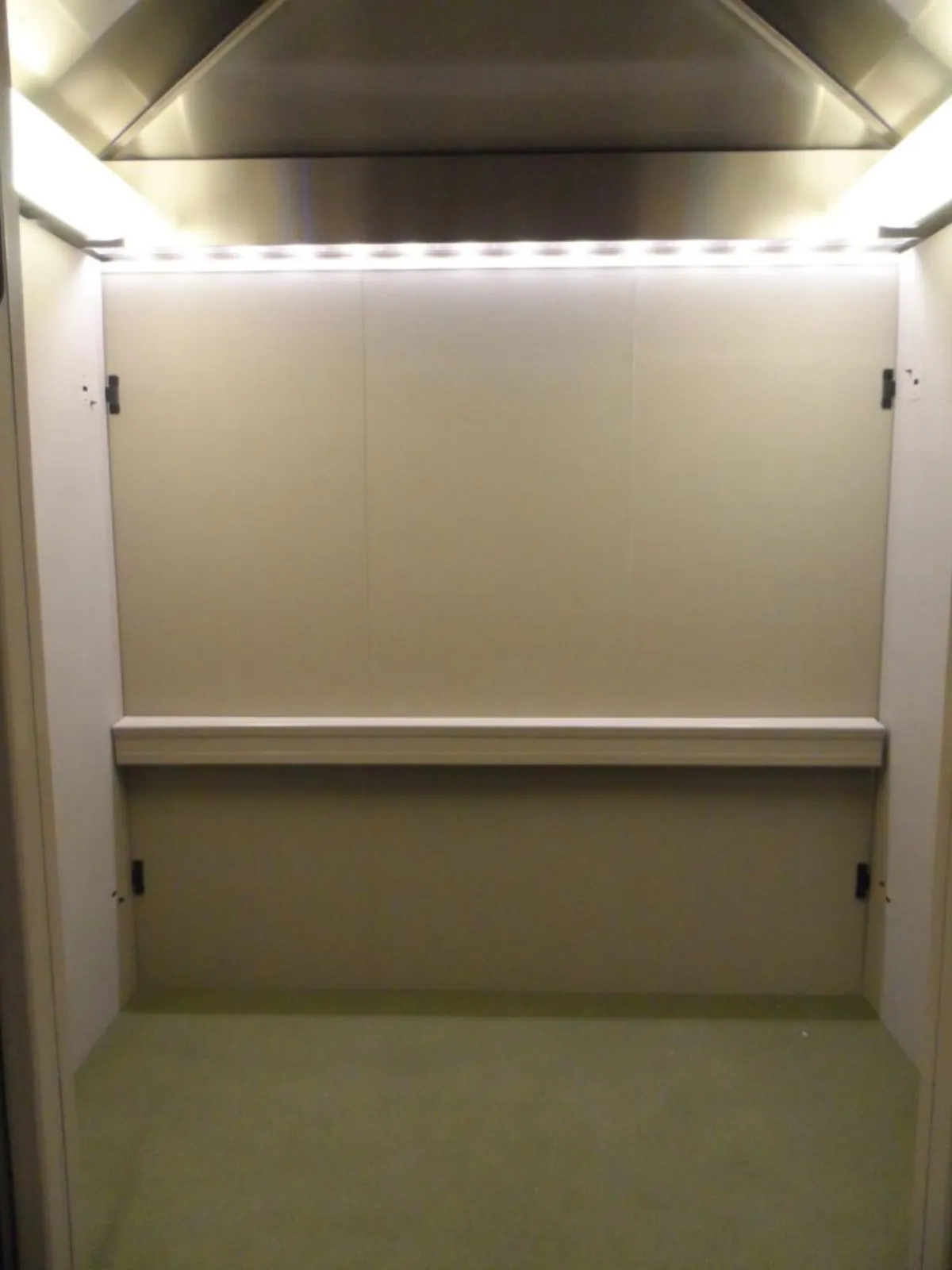
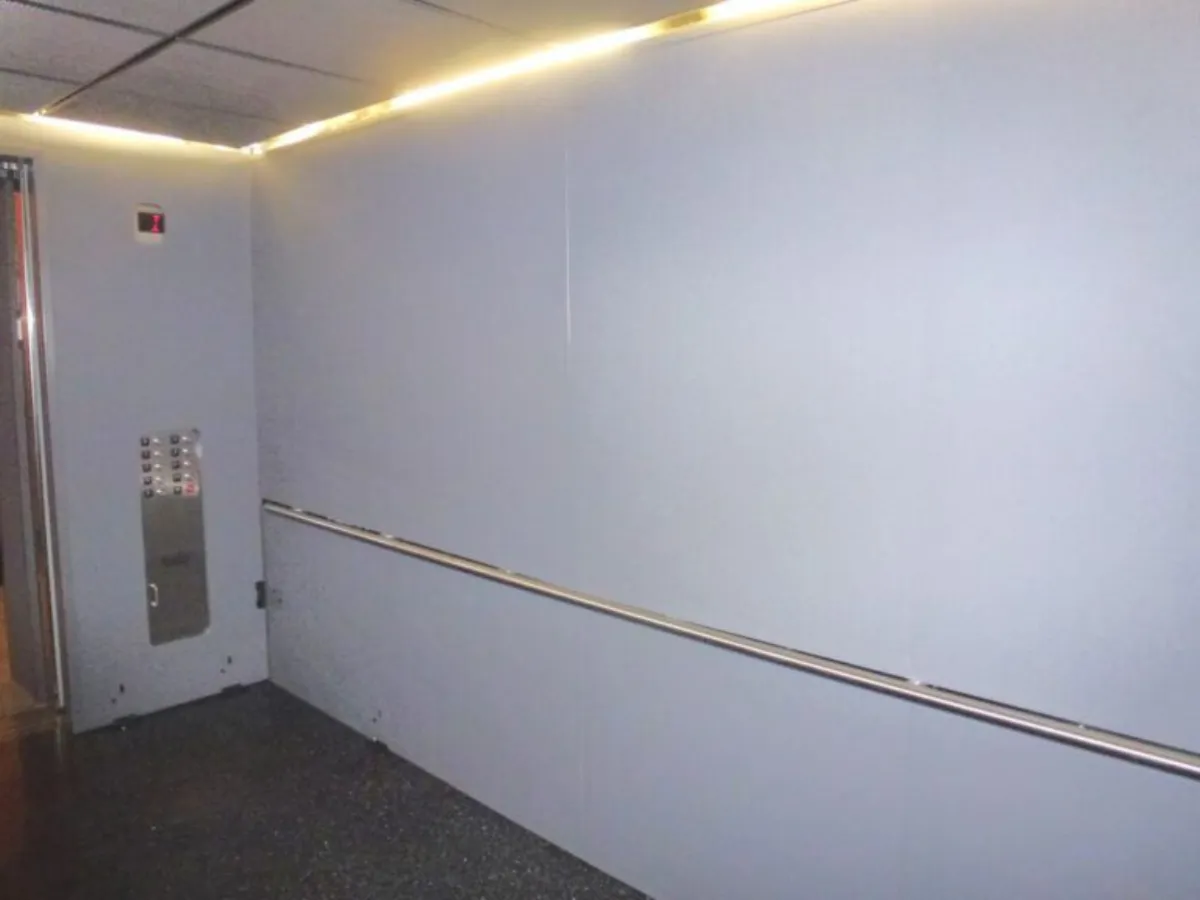
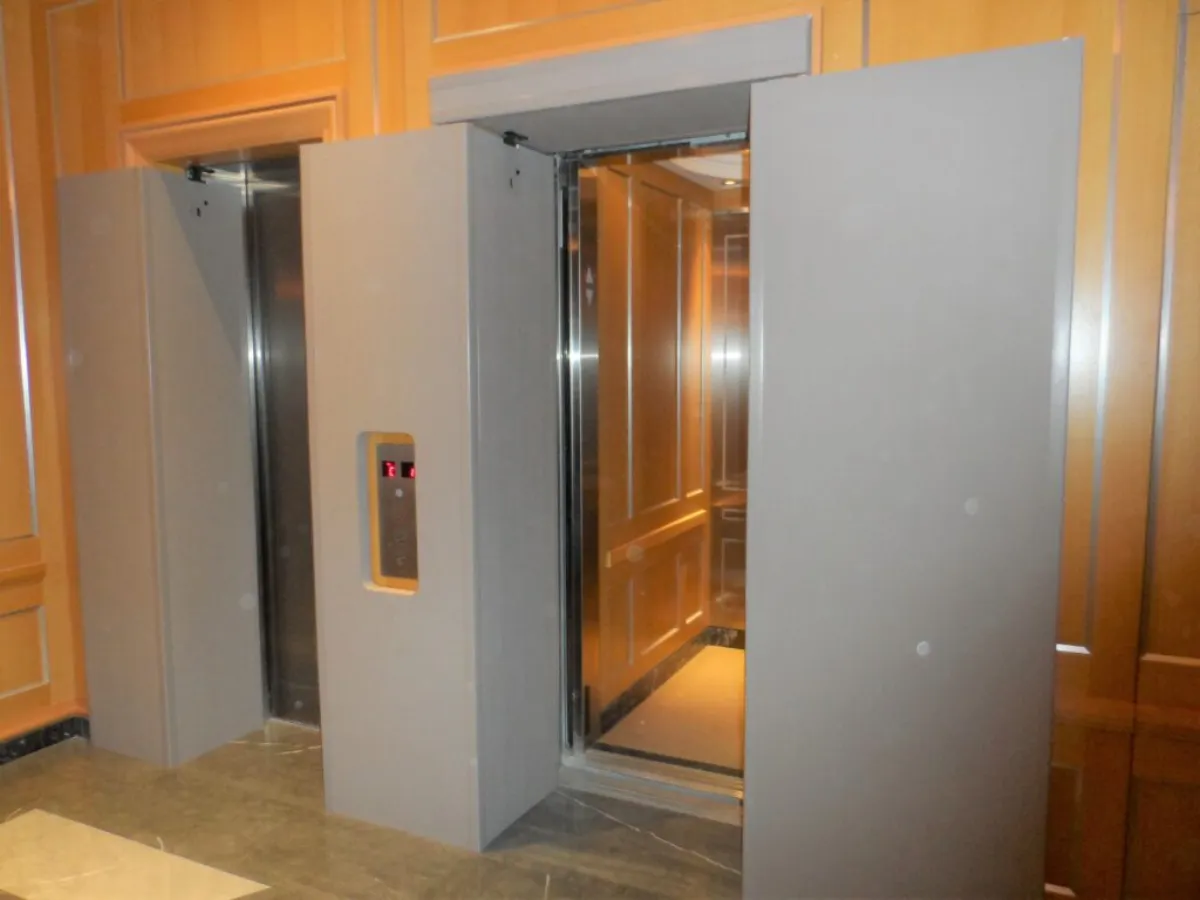
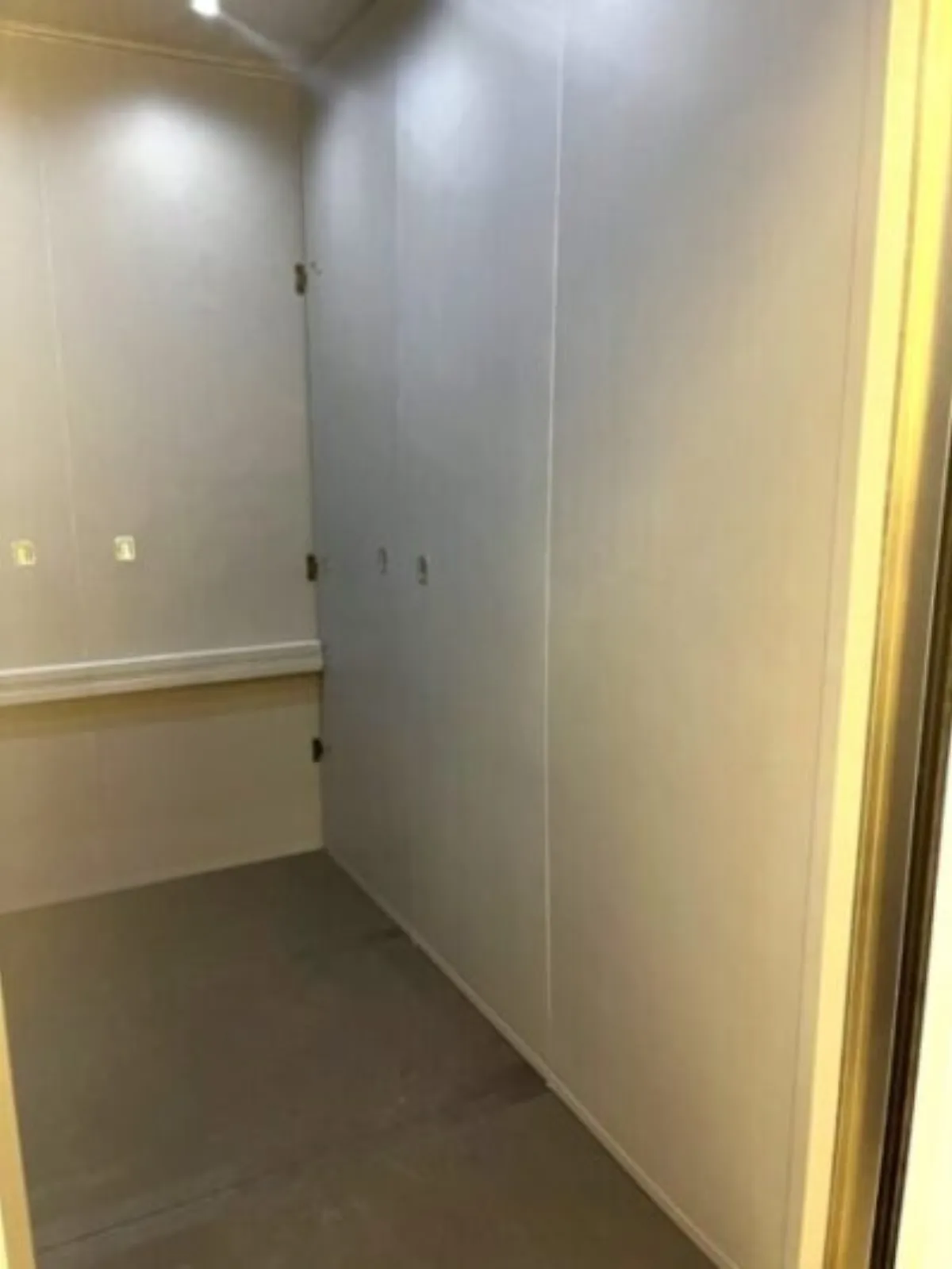
Evidence settles disputes. Protection prevents them. When the building installs a fitted kit before the mover arrives, there is no exposed corner to hit. The Door Guard Cab Liner covers walls, corners and jamb returns; the door liner covers the entrance; the floor liner takes the dolly loads. The mover works inside a protected car, and the after photos look like the before photos.
For the building, the kit is cheaper than one refurbishment and is reused for years. For the mover, a building that provides protection is a building they keep working in. Several of the property managers quoted on doorguardinc.com switched for this reason alone.
For movers reading this
Carry your own kit for buildings that have none. The moving company checklist covers what to photograph and what to carry.
Next step
Measure the cabs (ten-minute worksheet), adopt the policy, and get the kit quoted: Door Guard answers quote requests within 24 hours.